
Getting a tattoo hurts. That’s the honest answer.
How much it hurts depends on where you place it, your pain tolerance, and how the session goes.
Areas with thin skin, many nerve endings, little fat, or bone close to the surface usually hurt the most. Areas with more padding and fewer nerves usually feel more manageable.
Below are the 10 spots most people rate as the most painful, what the pain feels like, and practical tips to cope. Use this as a planning guide, not a dare. Pain is subjective, but these patterns show up again and again.
1. Armpits
Pain level: 9–10/10
Why it hurts: The armpit is packed with nerve endings, vessels, and lymph nodes. Skin is thin and sensitive, and keeping your arm raised gets uncomfortable fast. The buzzing can feel sharp, stinging, and sometimes “burning” as the area gets worked.
What it feels like: A mix of stinging and burning, with occasional jolts when the needle hits tender zones.
Tips: Come well-rested, ask for short, infrequent breaks, and keep the area dry during healing. Expect aftercare to be finicky because the skin folds and sweats.
2. Ribcage
Pain level: 8.5–9.5/10
Why it hurts: Bone is close to the surface, the skin is thin, and every breath moves the canvas. Nerves along the ribs amplify sensation. Vibrations can “echo” on bone.
What it feels like: Many describe scratching plus burning that spikes with shading or long passes.
Tips: Practice steady breathing. Positioning matters; ask your artist to adjust supports so your torso stays stable.
3. Sternum / Center Chest
Pain level: 8–9/10
Why it hurts: Another bony, thin-skin area with constant motion from breathing. Designs often cross the midline, so you get long stretches on sensitive tissue.
What it feels like: Sharp, vibrating pain over bone, with sunburn-like burn as the session goes on.
Tips: Keep sessions focused and efficient. Simpler designs or fine line work can shorten time under the needle.
4. Spine
Pain level: 8–9/10
Why it hurts: Skin is thin, and the vertebrae and nearby nerves sit close to the surface. Needle vibration can feel like it’s traveling up and down your back.
What it feels like: Electric, vibrating discomfort that intensifies over bony landmarks.
Tips: Ask for body pillows or bolsters. Keep snacks handy; dropping blood sugar worsens pain.
5. Head, Face, and Lips
Pain level: 8–10/10
Why it hurts: High nerve density, minimal padding, constant vibration near sinuses and scalp. Lips bruise and swell easily. Machine vibration can feel overwhelming next to ear canals and forehead.
What it feels like: Sharp stings, deep vibration, and sometimes a dull throb that lingers between passes.
Tips: Expect strong sounds and sensations. Consider smaller sessions. Healing here is public and delicate; plan time off social events if swelling appears.
6. Groin and Inner Thigh
Pain level: 8–9/10
Why it hurts: Dense nerve networks and soft, sensitive skin. Friction from clothing makes healing tougher. Many people find this zone surprisingly intense.
What it feels like: Stinging with occasional zingers, plus burn from repeated passes.
Tips: Wear loose, breathable clothing. For large pieces, break the project into shorter sessions and follow hygiene carefully during healing.
7. Elbows and Elbow Ditch
Pain level: 8.5–9/10
Why it hurts: Over the tip of the elbow you’re basically on bone. In the inner elbow, nerve-rich thin skin meets frequent bending. Both amplify pain and prolong healing.
What it feels like: Vibrating bone pain outside; sharp, pinchy stings inside.
Tips: Expect more touch-ups on the point of the elbow. Keep motion gentle during the first weeks to avoid cracking.
8. Knees and Back of Knee
Pain level: 8.5–9/10
Why it hurts: Like elbows, knees are bony and mobile. The back of the knee has very sensitive, thin skin with lots of nerves.
What it feels like: Deep vibration over the kneecap; stingy, tender work behind the knee.
Tips: Plan your position in advance. Stretch breaks help circulation, but keep them short so skin doesn’t cool and tighten.
9. Hands, Fingers, and Palms
Pain level: 7.5–9/10
Why it hurts: High nerve density and thin skin over tendons and joints. Palms are extra sensitive. These areas also wear quickly, so pass count and touch-ups add discomfort.
What it feels like: Sharp, bee-sting jabs for lines; scratchy burn during shading.
Tips: Accept that longevity is tricky here. Follow aftercare exactly, and avoid heavy use the first days.
10. Feet, Ankles, and Toes
Pain level: 8–9/10
Why it hurts: Bony top surfaces, thin skin, and tons of nerve endings. Swelling is common, shoes rub, and soles are extremely sensitive.
What it feels like: Stinging and vibration with occasional jolts near tendons or bony edges.
Tips: Schedule on days you can elevate and rest. Bring loose footwear or slides. Expect tenderness when walking the first couple of days.
Factors That Can Raise or Lower Pain
- Sleep and stress: Tired or anxious? Pain spikes faster.
- Hydration and food: Dehydration and low blood sugar make everything feel worse.
- Skin condition: Well-moisturized skin takes ink better and feels less irritated.
- Body composition: Less fat over bone usually means sharper sensations.
- Experience and mindset: If you expect disaster, your body braces and pain climbs.
- Artist’s hand: Smooth technique, efficient passes, and good stretch reduce time and trauma.
Smart Preparation (So You Can Actually Sit Through It)
- Sleep well the night before. Your brain copes with pain better when rested.
- Eat a solid meal 60–90 minutes before. Stable blood sugar prevents lightheadedness.
- Hydrate for a day or two leading in. Bring water and a simple snack.
- Skip alcohol and avoid most painkillers. They can dehydrate or thin your blood.
- Moisturize the area daily for a week. Healthier skin = smoother session.
- Clothing: Wear pieces that expose the area easily and won’t rub hard afterward.
- Plan the session size. For high-pain zones, consider a shorter first session.
Wrapping Up
Tattoos hurt, but the where matters as much as your tolerance.
The armpits, ribs, sternum, spine, head/face/lips, groin/inner thigh, elbows, knees, hands/fingers/palms, and feet/ankles/toes are widely rated the most painful.
If your dream design lands in one of these zones, plan well, fuel up, hydrate, breathe, and keep sessions sensible. Pain is temporary; good work and proper healing last.
If you want, tell me your planned placement and design style. I’ll suggest pain-smart session lengths and specific prep steps for that spot.
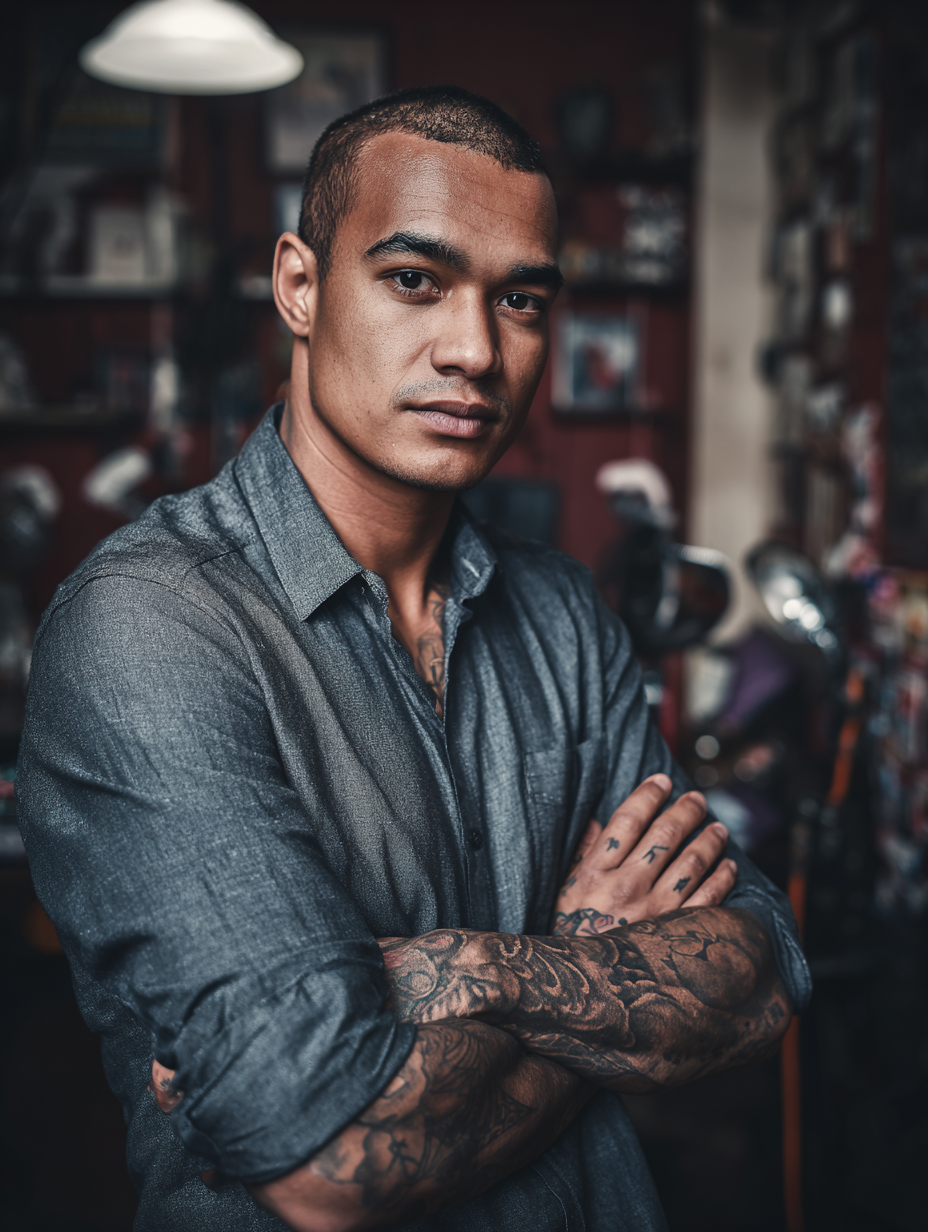
Anderson reviews and edits content at Your Next Ink, with a strong focus on tattoo advice and tattoo ideas for men. He helps shape posts that feel clear, practical, and easy to browse, especially for readers looking for straightforward inspiration and guidance.